
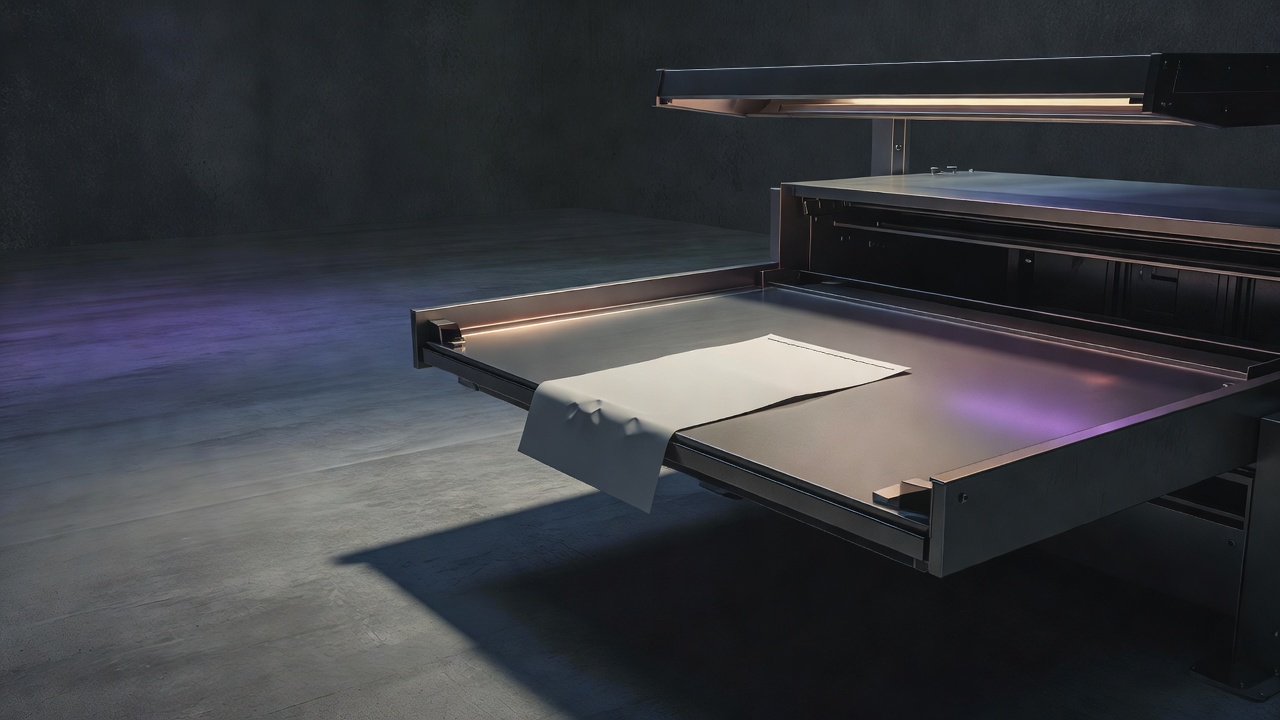
A freshly printed waybill curls on the output tray while the crate it describes sits three metres away on the wrong dock bay. The RPA script marked the task complete once the print job left the queue, never checking whether the scanner actually read the label.
Most RPA tools treat the moment a downstream system accepts a command as proof the process finished. That assumption collapses the instant the receiving device loses power, changes IP address or simply drops the packet after the first retry.
Procurement teams buy these platforms on the strength of vendor videos that show single-threaded demos. The contract never requires the vendor to prove the automation survives concurrent jobs or network jitter that occurs daily on the actual floor.
Measurement compounds the problem. Dashboards count every queue acknowledgment as a completed transaction, so reported throughput stays high while crates keep missing their flights. The only visible signal is rising manual rework tickets filed by the night shift.
Fix the gap at the boundary, not inside the script. Demand explicit state checks back from the physical device before the RPA instance closes its ticket, and tie those checks to the same SLA the vendor quoted for the software licence.
Without that loop, every new automation layer simply adds another place where work vanishes between systems and no one owns the missing crate.